But if you have ever chewed on a piece of gum, you may be super curious about what goes into it and specifically where it comes from. Well, here is Sanxi to tell you all the interesting information about gum! Let's jump into the science of gum from chicle to synthetic materials. We’re going to consider the pros and cons of both natural and synthetic gum, and how gum can be made planet-friendly. Let’s dive in!
Gum happens to be a type of polymer, which is a kind of material. A polymer is basically a long, chain of tiny parts, known as molecules. These are then linked together, making polymers very strong and useful. Some median examples of items we come across are in plastic products and containers, in glue (which may be used for crafts) and in our clothes! Gum material is still different than other polymers since they are justice made for holding or sticking and xylitol gums are made for chewing.
There is quite a history behind gum! It has changed a lot over the years. In the really distant past, gum was made from the sap of the sapodilla tree. This tree is found in Central America and its sap is known as chicle. Chicle is a natural ingredient that is still used in select traditional flavors of gum, like those that you can find today.
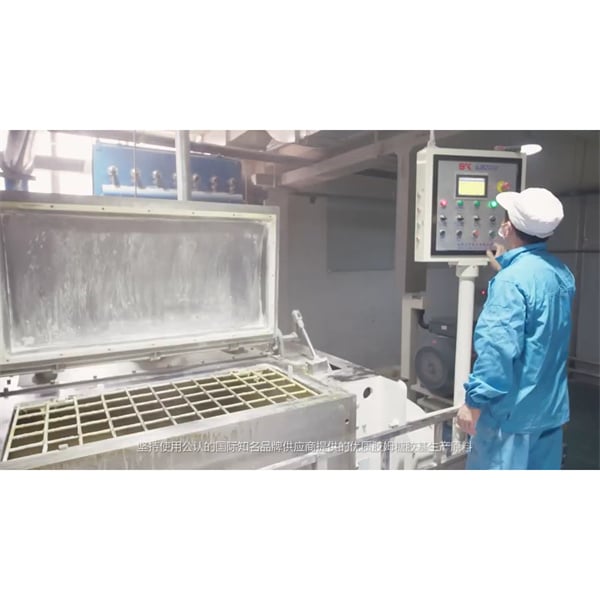
Today most gum is created from synthetic polymers. These synthetic materials are developed in laboratories, meaning they are designed by scientists who can manipulate how they are produced. This is to switch the texture and flavors of the gum so it is enjoyable. And the synthetic materials also tend to be less expensive and easier to produce than chicle, which makes gum more affordable for consumers overall.
Now, let’s discuss the pros and cons of natural and synthetic gum. Natural gum, such as chicle, has the huge advantage of being biodegradable. Meaning it can decompose in the environment over time and cause no environmental damage. It’s going to go somewhere, so if you throw it away, it’s not going to go and live in a landfill for the rest of its life.
On the other hand, synthetic gum is not biodegradable. Its decomposition time on landfills might take hundreds of years, which is not suitable for our environment. BUT synthetic gum has its own advantages! It is generally cleaner and healthier because it is produced in a sterile environment in a laboratory. There are fewer chances where germ comes in contact with the sap when compared to collecting sap from trees. Synthetic gum also tends to be more uniform in texture and taste, so each piece tastes the same and has the same mouthfeel.
Did you know that bubble gum pink is not just for gum to chew? It is put into use in several kinds of products that you may not consider! Some examples of where we can find the gum material, is in adhesives, the thing that helps stuff stick. In addition, it is used in surface-protecting coatings, and even in dental products like toothpaste!
R D efforts are at the cutting in the field, and we put top priority on development of new products. highly experienced R D team committed to development new technologies and improving our products. a passion for creativity and experimentation, continually create new solutions meet or exceed expectations of the market. have special lab where we can experiment with refine various gum base gum material. This makes it possible be sure that our products are up-to-date and dependable for the future. industry-specific resources allow us to offer one-stop services and provide comprehensive solutions to our clients. dedication to R D and holistic support ensures that our clients receive the latest solutions that allow them to stay ahead of the game.
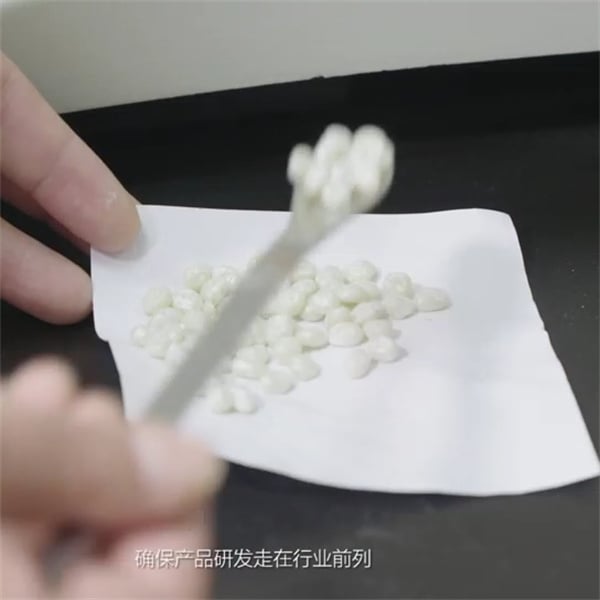
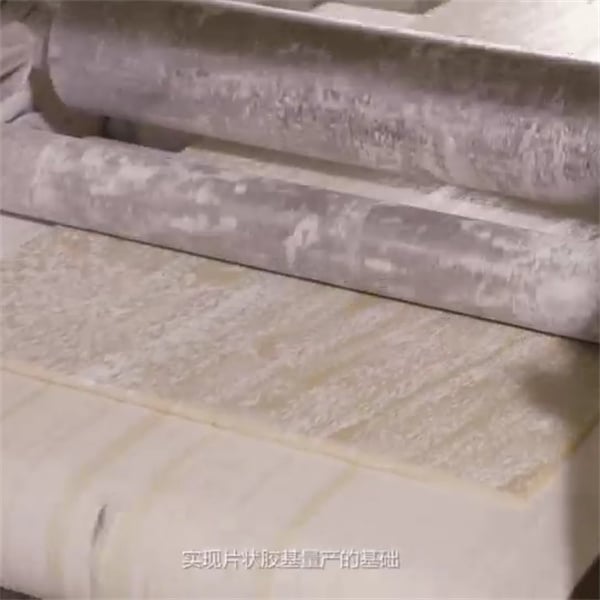
are China's most professional gum base manufacturer. cutting-edge facility covers 10,000 square meters, has an annual production capacity over 20,000 tons. With a focus gum base for over thirty years, we ensure an unbeatable quality gum material. daily production capacity is 50 Tonnes. produce three types of gum base: sheets, slabs Granules. have an in-house R D department and laboratory that lets us examine test different gum base samples. hold several certifications, including FDA, ISO9000, FSSC22000, Halal, Kosher, and MUI which demonstrates our dedication to safety and quality. We are the top gum base producer due to our emphasis on certification as well as specialization.
committed providing superior after-sales customer service and support. customer support team will be available with queries related maintenance advice or troubleshooting. We aim make your experience as easy satisfying as possible. offer extensive warranties and gum material support packages that fulfill different demands of customers. Additionally, our application technology team is able provide on-site guidance and support, ensuring optimal product performance. complete after-sales support and application support ensure that our clients receive constant assistance maximize the return on their investment.
products are priced competitively with top quality. With more than 30 years production and R D expertise, we have built a solid knowledge of our products as well as raw materials, creating unique standards. leading position in field of gum production is evident by role as the primary drafters of China’s national standard. We gum material regularly with world-renowned manufacturers of raw materials, such as Goodyear, Wacker engage technical exchanges, as well as jointly produced projects. We also have strategic partnerships that enable us to provide cost-effective products, with local raw material suppliers. experienced quality team makes sure that both our products and raw materials meet our rigorous standards. We offer our customers high-quality products at competitive prices.

Copyright © Wuxi Sanxi Gum Base Manufacture Co., Ltd. All Rights Reserved - Privacy Policy - Blog